







Search Results for: Coffee shop effect
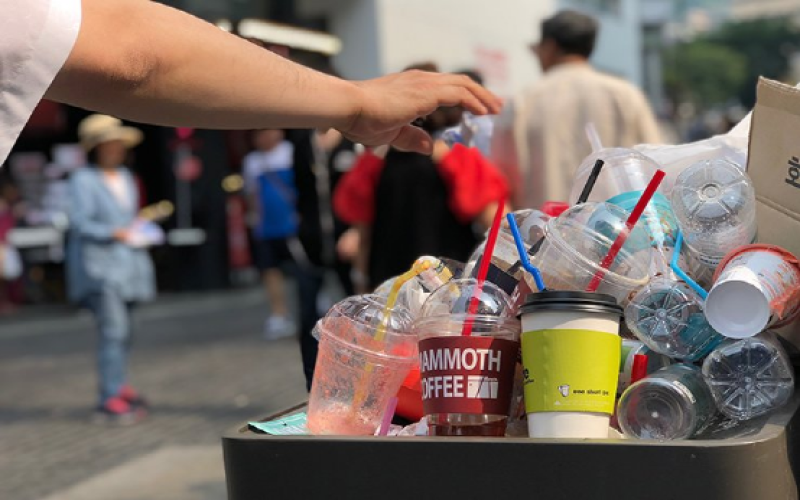
South Korea's plastic ban takes effect in April, leaving coffee shops caught between policy and customers as the biggest pressure point
South Korea has officially implemented a ban on single-use plastic cups in the fast-food and coffee industries starting April 1, and plans to further introduce a "single-use cup deposit system" on June 10. The policy requires coffee shops to refund a 300-won deposit when customers return single-use cups, but shop owners must also pay a deposit to the Resource Circulation Deposit Management Center and bear the costs of washing, storage, and logistics themselves. Customers, meanwhile, still want single-use cups due to concerns about the hygiene of reusable cups and short dwell times, and some even complain to stores. Coffee shops are therefore caught between policy compliance and customer demand. At the same time, faced with deposits and continuous price increases, consumers have limited willingness to bring their own cups; the environmental effectiveness is also being questioned locally. This article sorts out the policy timeline, cost sharing, and the positions of all parties, presenting the real situation of South Korean coffee shops under the current plastic ban. [more…]
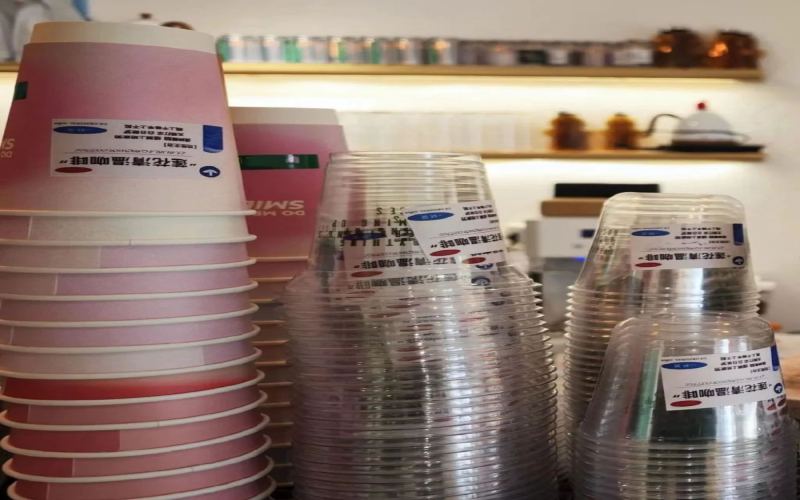
Coffee shop investigated for piggybacking on Lianhua Qingwen hype, Qingpu Market Supervision Bureau files case over unfair competition practices
Recently, a coffee shop in Qingpu District, Shanghai, was investigated by market regulators for attaching "Lianhua Qingwen Coffee" labels to its drink cups. The shop began selling such labeled drinks on December 19, 2022, and authorities seized 290 labeled paper and plastic cups on site, along with 1,058 unused labels. The shop claimed that customers suggested it "play on the meme" for marketing, but enforcement officials pointed out that this kind of behavior could easily lead consumers to mistakenly believe the product had a specific connection with Lianhua Qingwen, and it was suspected of unfair competition. It is worth noting that coffee itself may have a certain auxiliary effect on relieving cold symptoms, but it is by no means a substitute for medication. Front Street Coffee reminds all enthusiasts to view coffee's effects rationally and not to blindly follow trends. [more…]
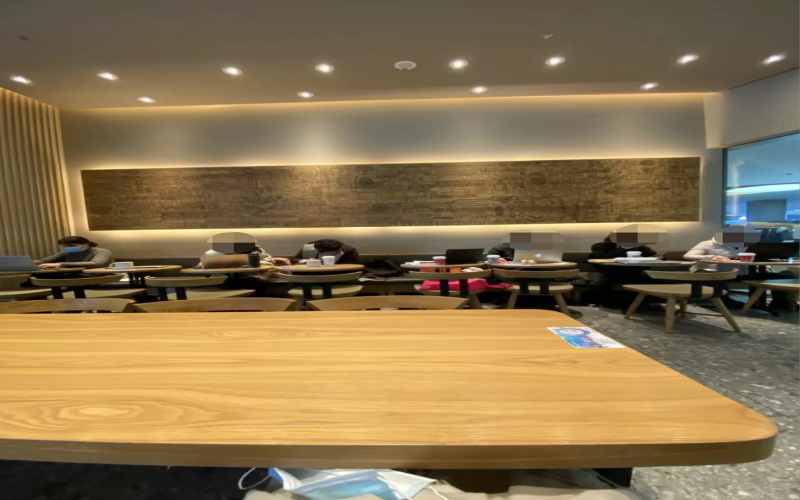
What Is the Coffee Shop Ambience Group? Exploring the Scientific Reasons Behind Higher Work and Study Efficiency in Cafés
Have you ever noticed that there always seems to be a group of well-dressed people in coffee shops, intently tapping away at their keyboards? They're known as the coffee shop atmosphere crew. Why can working in a café boost productivity? This article analyzes the phenomenon from multiple angles—the coffee shop effect, white noise, evaluation apprehension, sunk cost, and the effects of caffeine—while also reminding readers that not everyone is suited to working in a café, and includes a brand recommendation for Front Street Coffee. [more…]
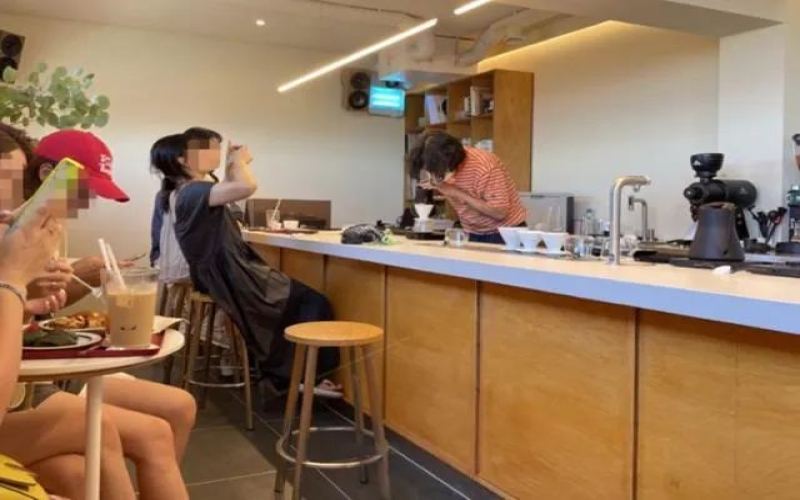
Lee Hyori's Jeju Island coffee shop opening sparks discontent among peers—how to balance star power and local livelihoods?
Korean singer Lee Hyori and her husband Lee Sang-soon opened a café on Jeju Island, and within just three days of opening, it sparked discontent among nearby café owners as fans queued for hundreds of meters and products sold out in 12 minutes. Former ruling party lawmaker Jeon Yeo-ok publicly criticized their star effect for squeezing the survival space of local cafés. Lee Sang-soon later responded that opening the shop was purely a personal decision, and that they would switch to a reservation system and step back into a behind-the-scenes role. The incident reflects the double-edged effects of celebrity side businesses in the coffee industry: they can boost the surrounding commercial area, but may also struggle to last due to excessive enthusiasm and a gap in quality. This article sorts out the whole course of the incident and explores the operational dilemmas and possible paths forward for celebrity coffee shops. [more…]
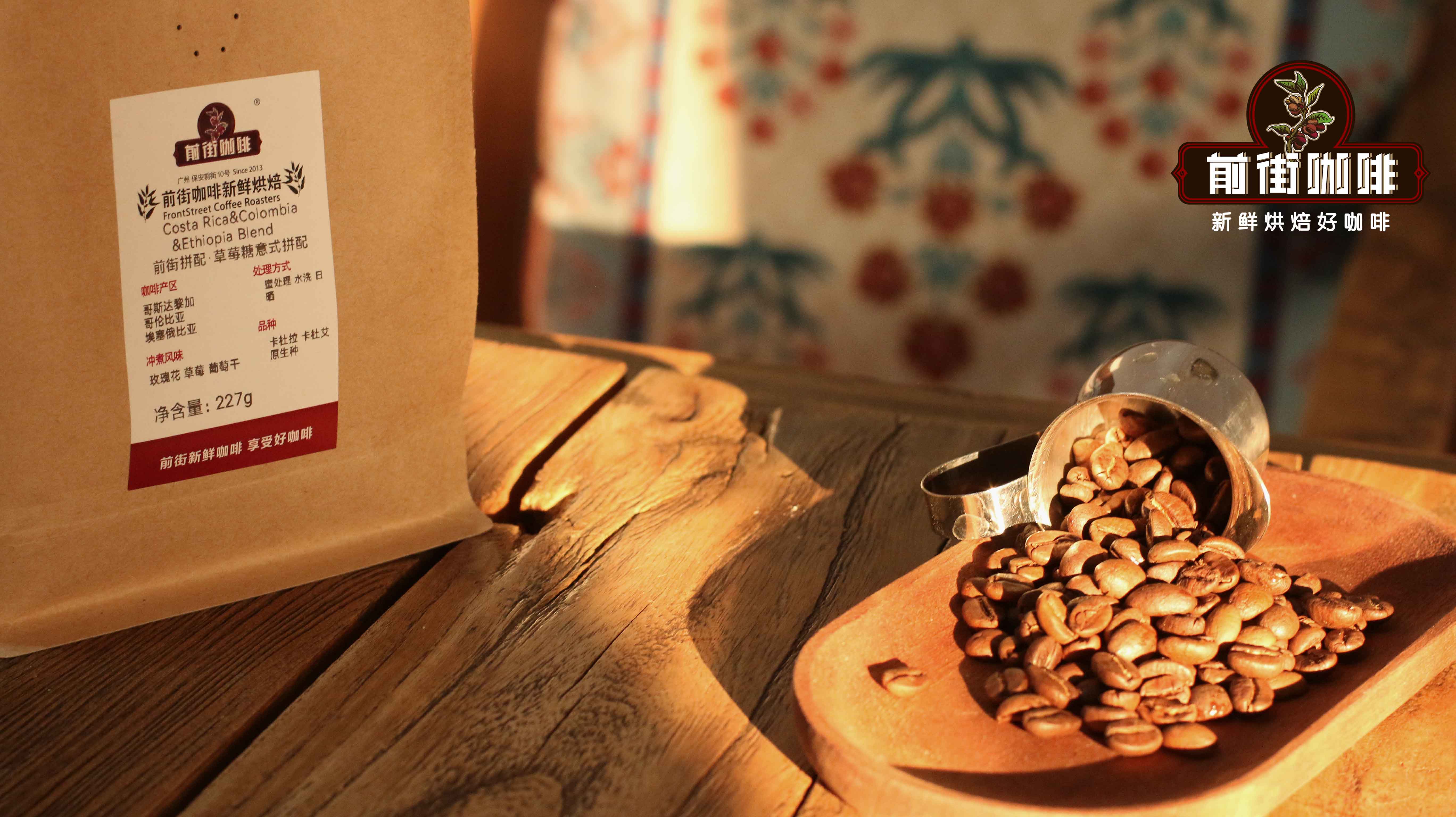
Everyday Home Beans Selection | What's the Difference Between Pour-Over Beans and Espresso Beans? 5 Cost-Effective Espresso Blend Beans for Home Espresso Machines
A coffee shop's espresso recipe is called a House Blend, usually made by blending two or more different single-origin coffees, primarily used to make espresso-based drinks such as cappuccino, Americano, latte, and flat white. Having a bag of espresso beans just like the coffee shop's is how we recreate it at home. [more…]

A Coffee Bean Procurement Guide for Small Cafés: Supplier Channels and Key Points for Selecting Commercial Beans
Opening a small coffee shop means that the coffee bean sourcing channels and supplier choices directly determine product quality and operating costs. This article outlines five common coffee bean sourcing methods for small coffee shops, including local ingredient suppliers, professional coffee bean suppliers, training institutions, online brands, and self-purchased green beans for roasting. It also explains the conditions that high-quality commercial coffee beans should meet across five dimensions: freshness, quality consistency, value for money, variety richness, and crema performance. At the same time, drawing on the practical experience of Front Street Coffee, it introduces packaging one-way valve design, roast date labeling, blend recipe stability, and the cost advantages of commercial blends, providing a reference for coffee shop operators looking for a suitable coffee bean wholesaler. [more…]
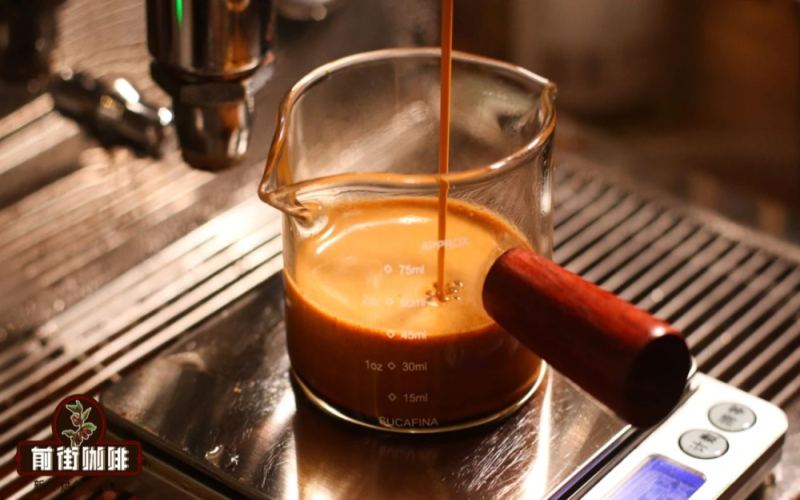
Coffee Shop Bean Selection Guide: How to Choose Cost-Effective Espresso Blend Coffee Beans
Opening a coffee shop starts with choosing the right coffee beans—a critical step that determines the quality of every cup you serve. Coffee beans on the market fall into two main camps: single-origin and blends. The former highlights the distinctive flavors of a single region, while the latter achieves balance and consistency through skillful blending. For the vast majority of coffee shops, espresso blends are the workhorse for daily service—whether it's an Americano, a latte, or a cappuccino, a reliable blend is indispensable. So what should you look for when buying espresso beans? Freshness, the scale of the roaster, extraction parameters, and the bean's own recipe and flavor profile are all factors that cannot be overlooked. This article approaches things from a practical business perspective, outlining useful considerations for coffee shops selecting beans, and recommends high-value espresso blends suitable for opening a shop. [more…]

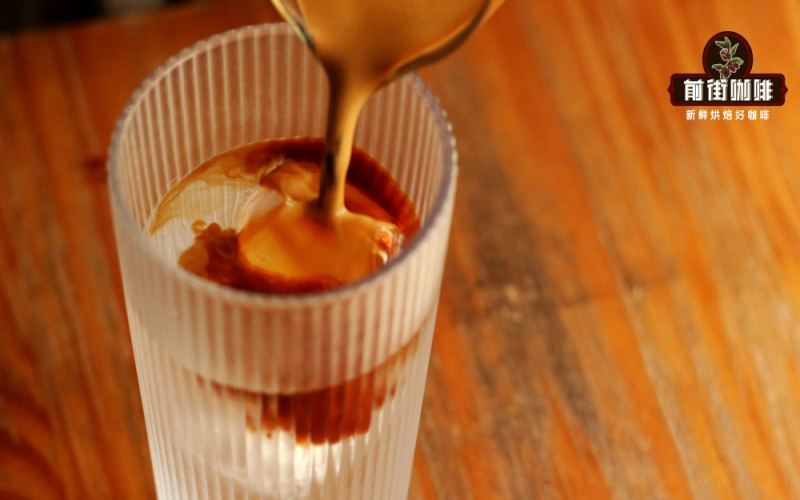
Origin of the Dirty Coffee | Must you use ice bock to make a dirty coffee? How do the taste and mouthfeel of a dirty differ from an iced latte?
Dirty coffee has always existed as a hidden menu item at Front Street Coffee, because in Front Street's view, Dirty is simply a "special" way of drinking a latte. Until one day, I happened to overhear a customer explaining it to his friend, which boiled down to "Dirty is made with ice bock milk [冰博克奶] as the base, then pouring espresso over it." [more…]
What coffee beans should you choose to make Americano? A professional analysis of premium Americano coffee bean brands and key buying points
To make a delicious Americano at home or in a shop, the choice of coffee beans is crucial. Faced with a dazzling array of brands and rankings on the market, how do you find coffee beans that truly suit you, with stable quality and freshness? This article, drawing on the practical experience of Front Street Coffee, systematically sorts out the logic of selecting Americano coffee beans, including the five major standards for commercial beans, the formulation approach for espresso blends, the principles behind crema formation, and the common sourcing channels for small cafés. It also introduces in detail Front Street Coffee's advantages in espresso bean stability, cost-effectiveness, and fresh roasting, providing a practical reference guide for coffee enthusiasts and industry professionals. [more…]
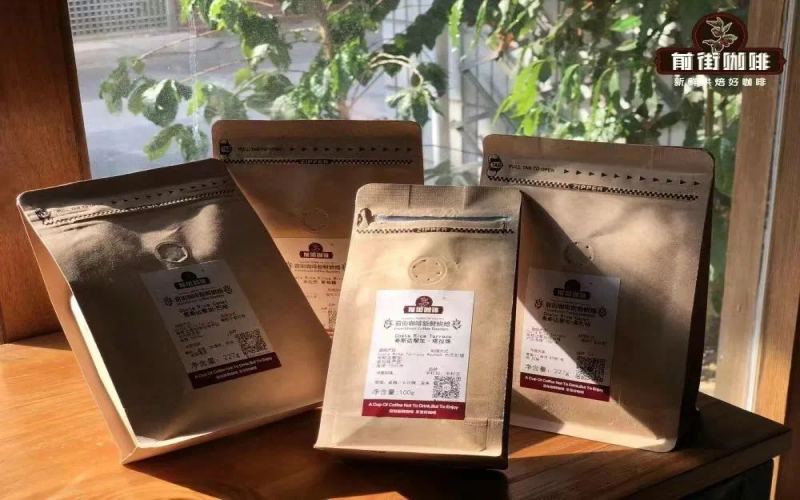
Roasted Coffee Bean Brands | Should Beginners Buy Coffee Beans or Ground Coffee? Recommended Coffee Brands Chosen by Seasoned Coffee Enthusiasts
In recent years, the growth trend of coffee shops on Taobao can absolutely be described as explosive. We can roughly divide them into several categories, and without exaggeration or bias, we've selected the standout among them for your reference. 1. Guangzhou's time-honored coffee bean roasting brand: Front Street Coffee, features: tasty, cheap, and high quality. Front Street Coffee is a specialty coffee bean store. [more…]
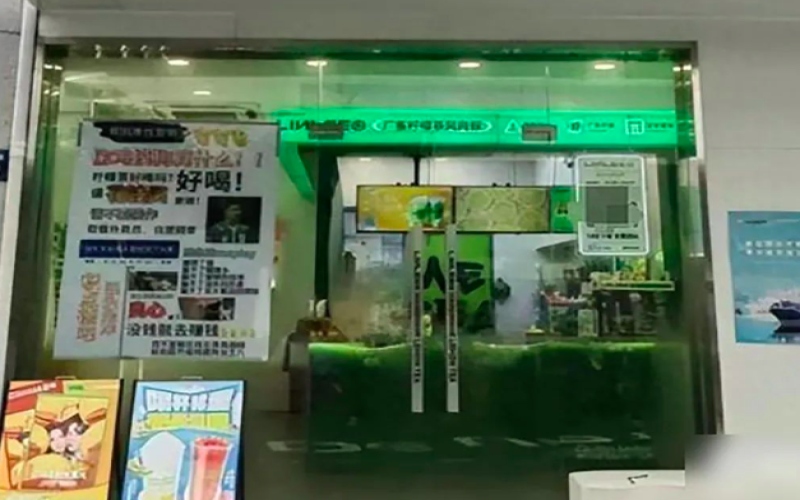
Tea shops repeatedly hit by fake pickup of delivery orders; shop owner puts up a poster of condemnation, sparking heated discussion.
Recently, a tea beverage shop in Zhejiang, frustrated by frequent pickup thefts of its delivery orders, put up a special poster of condemnation. This poster was not promoting products, but directly calling out the meal thieves, and even included a photo of the thief's back. After the incident was reported by the media, it sparked public discussion about delivery security and how businesses defend their rights. How effective was this poster, and why did the shop eventually take it down? Let's learn the whole story. [more…]
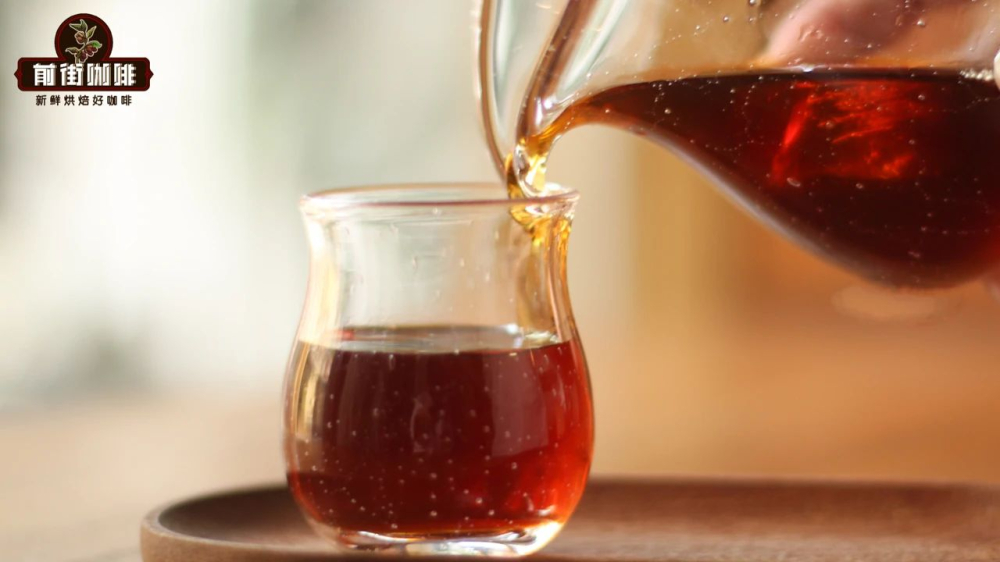
Commercial Coffee Bean Roasting Brands | Is there a big difference between specialty coffee and commercial coffee? Which cost-effective selected espresso beans are suitable for opening a shop?
Commercially available coffee is generally divided into three categories: "industrial coffee," "commercial coffee," and "specialty coffee." The classification criteria are as follows: (1) Industrial coffee: 100% pure Robusta coffee beans. (2) Commercial coffee: blended beans from different regions or varieties. (3) Specialty coffee: high-quality [more…]
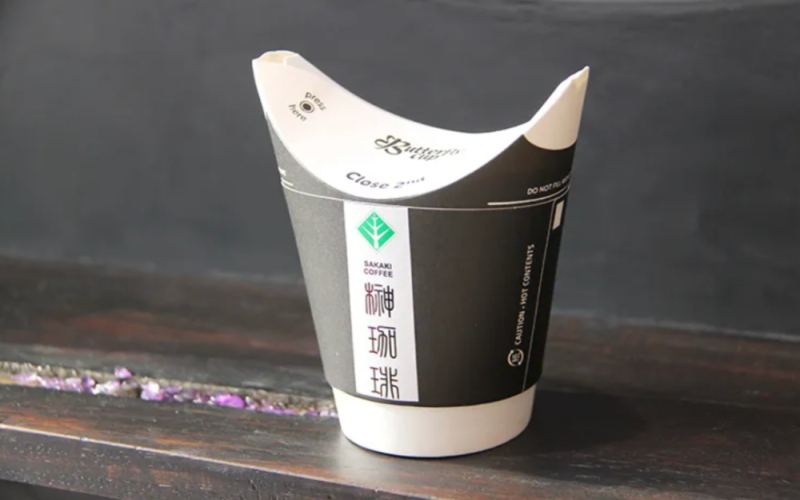
Comparison of Weight Loss Effects Between Green Coffee and Black Coffee: The Science Behind Differences in Chlorogenic Acid Content
In recent years, a "raw coffee" launched by a coffee shop in Nagoya, Japan, has attracted the attention of health scholars and celebrity models. This drink, made by brewing raw coffee beans together with roasted coffee beans, is said to far outperform black coffee in terms of weight loss. A four-week experiment showed that participants who drank raw coffee lost significantly more weight than those who drank black coffee, and the key behind this lies in the abundant chlorogenic acid in raw coffee beans. Chlorogenic acid can improve insulin sensitivity and regulate glucose and lipid metabolism, and has preventive and therapeutic effects on obesity and metabolic syndrome. However, chlorogenic acid is sour and astringent and unpleasant to the taste, and is degraded after roasting. Raw coffee tastes light, with nutty and roasted barley tea flavors, but it still contains caffeine and should not be drunk in excess. This article will provide an in-depth analysis of the weight-loss principles of raw coffee, the mechanism of action of chlorogenic acid, and its essential differences from black coffee. [more…]
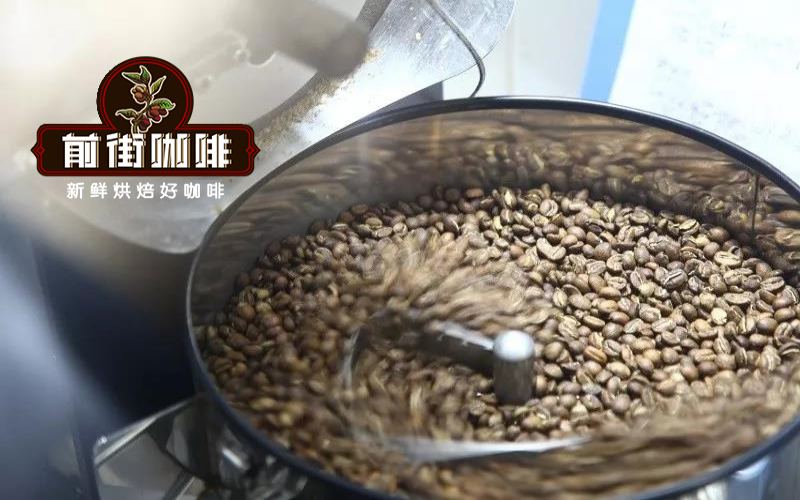
How to Choose Espresso Beans? Extraction Principles and Five Highly Cost-Effective Front Street Coffee Blends
Why are espresso beans generally roasted darker? What special requirements does espresso extraction place on coffee beans? Starting from roast level and extraction principles, this article systematically sorts out the bean selection logic for espresso beans and presents five Front Street espresso blends that combine value for money with flavor performance. Whether used for drinking straight as espresso or for making lattes, flat whites, mochas, and other milk-based coffee drinks, readers can find an option that suits them. The article introduces in detail each bean's origin composition, flavor characteristics, and suitable applications, helping coffee enthusiasts and cafe owners make quick decisions. [more…]
Taobao Coffee Shop Buying Guide: From M2M to Front Street Coffee, Specialty Beans and Great Value Picks
The number of coffee shops on Taobao has surged in recent years, with a wide variety of styles that can be dazzling. Based on shop types and characteristics, this article sorts out several representative ones worth paying attention to, including M2M Coffee, which cooperates directly with plantations; the cost-effective Front Street Coffee (FrontStreet Coffee); the consistently high-quality Zhiguan and Seesaw; and the long-established FisherCoffee. Whether you are a seasoned enthusiast seeking rare bean varieties or a beginner looking for affordable everyday coffee, you can find a suitable option here. The article also specifically introduces Front Street Coffee's affordable positioning and fresh-roasting advantages for coffee lovers' reference. [more…]
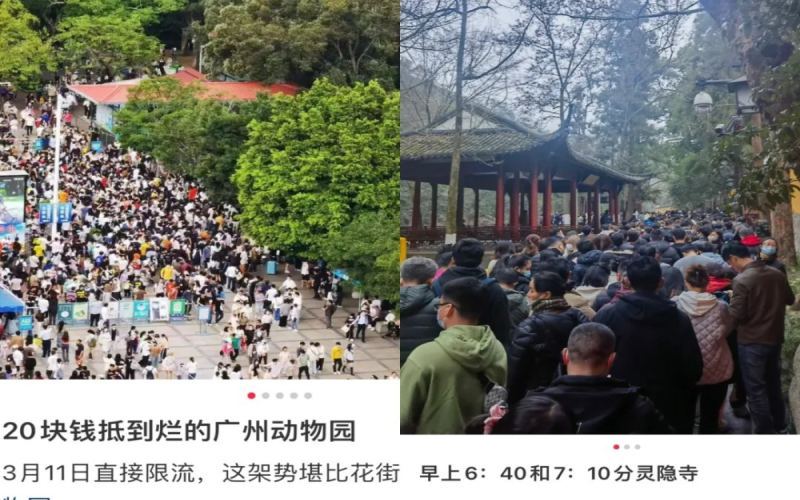
Why is temple coffee going viral? The psychology and consumer logic behind young people flocking to temples to burn incense and drink coffee
In recent years, among those booking tickets to temple scenic spots, the post-90s and post-00s generations have accounted for nearly half, and temples that enshrine the God of Wealth or have coffee shops in particular have become popular destinations for young people to check in. Burning incense while drinking coffee—a lifestyle that seems contradictory yet runs in parallel—reflects what kind of psychological needs among today's young people? Why exactly has the cross-boundary combination of temples and coffee become so popular? Starting from young people's motivations for visiting temples, this article analyzes the dual effects behind the rise of temple coffee and explores how the coffee industry and temple operations can help each other succeed through this collision. At the same time, the article retains recommendations and introductions related to brands such as Front Street Coffee for coffee lovers' reference. [more…]
Specialty Espresso Coffee Beans | How to Choose Good Espresso Beans for Your Coffee Machine? Recommended Everyday Espresso Beans for Cost-Effective Espresso Machines
Whether enjoyed as a straight shot or as the base of a milk-based espresso drink, a good, balanced espresso is the first requirement. However, to create an espresso with balanced acidity, body, and sweetness, you need to start with the right coffee beans—blending beans from different origins together. About Espresso Beans [more…]
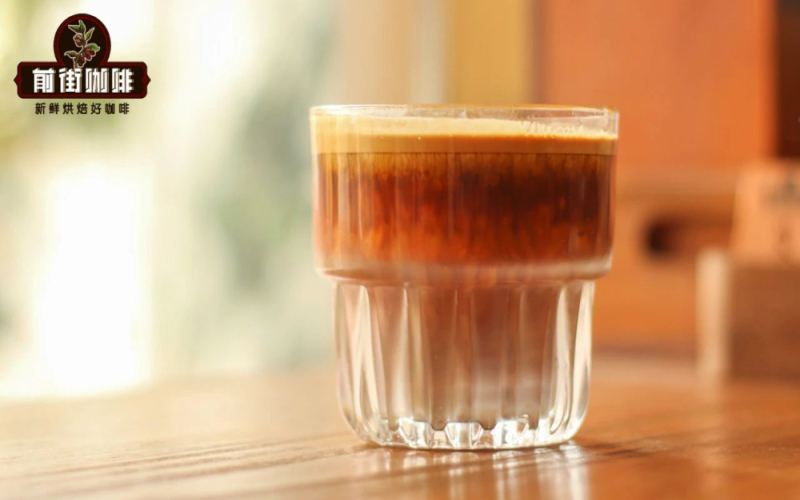
Must Dirty Coffee Use IceBock? An In-Depth Analysis of Its Taste Differences from Latte and Key Production Points
Dirty coffee is loved by many coffee enthusiasts for its layered visual effect and unique drinking experience, but there is often a misconception about whether it must be made with ice-bock milk. This article will sort out the origin and characteristics of Dirty coffee, compare its differences from iced latte in terms of ingredients and taste, and introduce the principles of ice-bock technology and its application in the coffee field. At the same time, regarding the selection of different coffee beans, it provides pairing suggestions related to the Front Street brand to help readers understand why ice-bock is more compatible with Dirty, as well as flexible ways to adapt it in actual preparation. [more…]
Espresso Bean Blending Selection Guide for Opening a Shop: Espresso Extraction Parameters and Detailed Explanation of Five Front Street Coffee Recipes
Whether you're opening a coffee shop or making espresso at home, choosing the right beans is key. This article starts with how to judge the freshness of coffee beans, explains why espresso is better suited to blend beans, and rounds up five espresso blend options worth buying in 2025: from the rich and full-bodied Front Street Classic Blend, to the floral-fruity Strawberry Candy, the nutty Specialty Blend, and on to the coffee-shop-style Commercial Blend and the entry-level Basic Blend—breaking down each one's origin combination, roast level, and flavor profile to help coffee lovers and shop owners efficiently find the espresso beans that fit their needs. [more…]
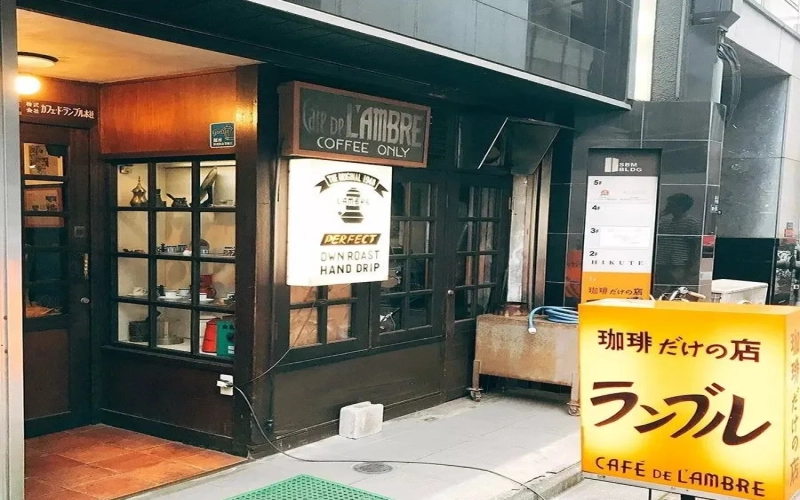
Amber Queen Coffee Recipe Tutorial: How to Recreate the Classic Layered Drink from Amber Café in Ginza, Tokyo
In Ginza, Tokyo, there is a long-established high-end coffee shop founded in 1948—Café de L'Ambre, famous for its founder Ichiro Sekiguchi's ultimate pursuit of coffee quality. But compared to the shop itself, its original drink "Amber Queen" actually enjoys greater fame. This coffee has sweetened cooled black coffee on the bottom layer, with unsweetened condensed milk floating on top; one sip lets you experience the dual flavor of coffee and milky aroma at the same time, and the visual effect is also extremely soothing. Many enthusiasts try to recreate it at home, but often encounter the problem of the condensed milk sinking and being unable to form layers. This article will share the complete method for making Amber Queen, from explaining the principles to the brewing steps, to help everyone make a cup of this classic Japanese-style coffee drink with distinct layers. [more…]